
Call us now :08045816942
 Send Inquiry
 Send Inquiry
Palladium Oxide
MOQ : 25 Kilograms
Palladium Oxide Specification
- EINECS No
- 215-203-9
- Product Type
- Inorganic Compound
- Molecular Formula
- PdO
- Melting Point
- 870°C (decomposes)
- Properties
- Dark brown to black powder; insoluble in water, but soluble in acids; strong oxidizing agent.
- Ingredients
- Palladium Oxide (PdO)
- Grade
- Laboratory/Technical Grade
- Smell
- Odorless
- Purity
- 99% min
- Storage
- Store in a tightly closed container, away from incompatible materials and moisture.
- CAS No
- 1314-08-5
- Application
- Catalyst in organic synthesis, hydrogenation reactions, and electrode material.
- Usage
- Research, catalyst, laboratory chemical processes.
- Molecular Weight
- 122.42 g/mol
- Density
- 8.3 Gram per cubic centimeter(g/cm3)
- Structural Formula
- Pd=O
- Physical Form
- Powder
- Shape
- Fine powder
- Poisonous
- YES
- Solubility
- Insoluble in water; soluble in acids
- Appearance
- Dark brown or black powder
- HS Code
- 28259090
- Shelf Life
- Stable under recommended storage conditions.
- Crystal Structure
- Tetragonal
- Stability
- Stable under recommended storage conditions; sensitive to reducing agents
- UN Number
- 3288
- Hazard Class
- 6.1 (Toxic substances)
- Packaging
- 25g, 100g, 500g bottles, or as per requirement
- Boiling Point
- Not applicable (decomposes before boiling)
- Vapor Pressure
- Negligible
Palladium Oxide Trade Information
- Minimum Order Quantity
- 25 Kilograms
- Payment Terms
- Letter of Credit (L/C), Letter of Credit at Sight (Sight L/C), Telegraphic Transfer (T/T), Cheque
- Supply Ability
- 100 Kilograms Per Day
- Delivery Time
- 2 Days
- Sample Available
- Yes
- Sample Policy
- Free samples are available
- Main Domestic Market
- All India
About Palladium Oxide
We have carved a niche by manufacturing, exporting and supplying our clients superior quality Palladium Oxide.This chemical is prominently used as catalyst in catalytic hydrogenation in organic synthesis. Under the proper supervision of our skilled professionals, offered oxide is well processed by making use of quality assured chemical substances with the aid of pioneering technology as per the set industry standards. Furthermore, we provide this Palladium Oxide in safe packaging at market leading prices to the clients.
Features:
-
Long shelf life
-
Effectiveness
-
Stability
-
Safe to use
Exceptional Oxidizing Agent for Catalysis
Palladium Oxides strong oxidizing ability makes it indispensable in various catalytic processes, most notably in organic synthesis and hydrogenation reactions. Its consistent performance supports efficient chemical transformations, making it a valuable asset for researchers and industry professionals.
Laboratory-Grade Purity and Versatility
With a minimum purity of 99%, this laboratory or technical grade powder is crafted for applications demanding high standards. Its insolubility in water and solubility in acids offer broad compatibility with diverse laboratory processes, supporting reliable experimental outcomes.
Safe Handling and Storage Requirements
Given its toxic nature and strong reactivity, Palladium Oxide should be handled with care. Adequate storage involves keeping it in tightly closed containers, separated from reducing agents and moisture. Following these guidelines ensures stable shelf life and user safety.
FAQs of Palladium Oxide:
Q: How is Palladium Oxide most commonly used in laboratory settings?
A: Palladium Oxide serves as a catalyst in organic syntheses, hydrogenation reactions, and is utilized as an electrode material due to its strong oxidizing properties.Q: What storage conditions are necessary to ensure the stability of Palladium Oxide?
A: Store Palladium Oxide in a tightly closed container, away from reducing agents, incompatible substances, and moisture to maintain its stability and effectiveness.Q: When does Palladium Oxide begin to decompose, and what is its melting point?
A: Palladium Oxide decomposes before boiling, with a melting point of 870C. Decomposition can occur if exposed to excessive heat.Q: Where can Palladium Oxide be sourced for research and manufacturing needs?
A: Palladium Oxide is produced, exported, and imported by trusted suppliers in India, typically offered in 25g, 100g, and 500g packaging or as per user requirements.Q: What are the benefits of using Palladium Oxide as a catalyst?
A: Palladium Oxide is highly effective in accelerating chemical reactions, particularly in organic and hydrogenation processes, which enhances yield and process efficiency.Q: How toxic is Palladium Oxide, and what precautions are recommended?
A: Classified as toxic (Hazard Class 6.1), Palladium Oxide requires careful handling with appropriate personal protective equipment, including gloves and eye protection, to minimize exposure risks.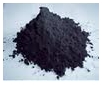
Tell us about your requirement

Price:
Quantity
Select Unit
- 50
- 100
- 200
- 250
- 500
- 1000+
Additional detail
Mobile number
Email

More Products in Palladium Compounds Category

Palladium Chloride
Minimum Order Quantity : 25 Kilograms
Molecular Formula : PdCl2
CAS No : 76471001
Physical Form : Powder
Molecular Weight : 177.33 g/mol Milligram (mg)
Density : 4 Gram per cubic centimeter(g/cm3)
Palladium Nitrate
Minimum Order Quantity : 25 Kilograms
Molecular Formula : Pd(NO3)2
CAS No : 10102053
Physical Form : Powder
Molecular Weight : 230.43 Milligram (mg)

 Send Inquiry
Our Products
- Speciality Organic Compounds
- Agricultural Compounds
- Nicotine Compounds
- Speciality Inorganic Compounds
- Barium Compounds
- Bromine Compounds
- Cobalt Compounds
- Copper Compounds
- Iodine Compounds
- Lead Compound
- Manganese Compounds
- Mercury Compounds
- Molybdenum Compounds
- Nickel Compounds
- Palladium Compounds
- Phosphate Compounds
- Platinum Compounds
- Selenite Compounds
- Silver Compounds
- Tungstan Compounds
- Vanadium Compounds
- Zinc Compounds
- Pharma Item
- Feed Item
- Lithium Compound
- Guanidine


C-13/14, Satyam Complex, M.G. Road, Ghatkopar (E), Mumbai - 400077, Maharashtra, India

Mr. S. Kumar
(Marketing Director)
Mobile :08045816942
 Send Inquiry
 Send SMS
 Call Me Free
Developed and Managed by Infocom Network Private Limited.
