
Call us now :08045816942
 Send Inquiry
 Send Inquiry
Silver Chloride
MOQ : 25 Kilograms
Silver Chloride Specification
- Smell
- Odorless
- Density
- 5.56 Gram per cubic centimeter(g/cm3)
- Ingredients
- Silver and Chloride ions
- Melting Point
- 455 C (decomposes)
- Shelf Life
- 2 years if stored properly
- Product Type
- Inorganic Compound
- Structural Formula
- AgCl
- Solubility
- Insoluble in water, soluble in ammonia and some acids
- Appearance
- White powder
- Shape
- Crystalline
- Purity
- 99% min
- Taste
- Tasteless
- HS Code
- 28273990
- Refractive Rate
- nD 2.071
- Properties
- Light sensitive, insoluble in water, decomposes on exposure to light
- Storage
- Store in tightly closed containers away from light
- Molecular Formula
- AgCl
- Physical Form
- Powder
- Ph Level
- Neutral (7 in distilled water suspension)
- Molecular Weight
- 143.32 g/mol
- Application
- Used in photographic materials, electrochemistry (reference electrodes), and laboratory reagents
Silver Chloride Trade Information
- Minimum Order Quantity
- 25 Kilograms
- Payment Terms
- Letter of Credit (L/C), Letter of Credit at Sight (Sight L/C), Telegraphic Transfer (T/T), Cheque
- Supply Ability
- 100 Kilograms Per Day
- Delivery Time
- 2 Days
- Sample Available
- Yes
- Sample Policy
- Free samples are available
- Main Export Market(s)
- Australia, Eastern Europe, Middle East, Central America, South America, Western Europe, Asia, North America
- Main Domestic Market
- All India
About Silver Chloride
We are counted among the leading manufacturer, exporter and supplier of high quality Silver Chloride that is extensively used as an electrode in electrochemistry. It is also used as an antidote for mercury poisoning, assisting in the elimination of mercury. The provided chemical is processed as per set international norms using high grade chemical compounds and sophisticated technology. Offered chemical is highly acknowledged in the market for its accurate composition and long shelf life. Moreover, this Silver Chloride is stringently tested on various predefined parameters in order to deliver optimum quality products at clients' end
Features:
-
Balanced composition
-
Long shelf life
-
No side effect
-
Unadulterated
Specifications:
| SILVER CHLORIDE | |
| CAS No. | 7783-90-6 |
| Formula | AgCl2 |
| Description | White Powder |
| Molecular Weight | 143.34 |
| Ag. Content | 75.26 |
| Other Impurities | Nitrate Max - 0.05% |
| Assay | 99% |
| Packing | 1Kg / 5Kg / 10 Kg / 25Kgs Jar |
| APPLICATION | |
Light Sensitivity and Storage Recommendations
Silver Chloride is highly sensitive to light, decomposing upon prolonged exposure. To avoid deterioration and maintain its purity, it should always be stored in tightly sealed, opaque containers away from any light source. This careful storage will ensure its effectiveness and extends its usable shelf life up to two years.
Versatile Applications in Science and Industry
Silver Chlorides unique chemical properties make it indispensable in various fields. In photography, it plays a vital role in the creation of photographic materials. Additionally, its stability and reactivity are leveraged in electrochemistry for reference electrodes. Laboratories also use it as a reagent for analytical and preparative processes.
FAQs of Silver Chloride:
Q: How should Silver Chloride powder be stored to maintain its quality?
A: Silver Chloride must be stored in tightly closed containers, protected from light, and kept in a cool, dry place. Proper storage prevents its light-induced decomposition and prolongs its shelf life up to two years.Q: What are the primary uses of Silver Chloride in industry and laboratories?
A: Silver Chloride is widely used in photographic materials, electrochemistry (notably as reference electrodes), and as a reagent in laboratory analyses due to its high purity and stable, insoluble properties.Q: When does Silver Chloride decompose, and what precautions are necessary?
A: Silver Chloride decomposes upon exposure to light or when heated to its melting point of 455C. To prevent decomposition, it should be handled and stored away from direct light and not subjected to high temperatures.Q: Where is Silver Chloride most commonly sourced or produced?
A: Silver Chloride is manufactured, exported, and imported by several suppliers in India, making the country a notable hub for its production for global industrial and laboratory applications.Q: What process is used to utilize Silver Chloride in photographic materials?
A: In the production of photographic materials, Silver Chloride is incorporated into photosensitive coatings. Its light-sensitive nature allows it to form images upon exposure, which is essential in traditional photography and imaging technologies.Q: How is Silver Chloride beneficial in electrochemical applications?
A: Silver Chloride serves as a stable, reproducible, and low-solubility reference electrode component. Its neutrality in distilled water and compatibility with various electrolytes benefit electrochemical measurements by providing reliable reference potentials.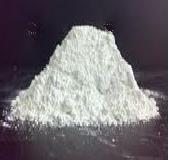
Tell us about your requirement

Price:
Quantity
Select Unit
- 50
- 100
- 200
- 250
- 500
- 1000+
Additional detail
Mobile number
Email

More Products in Silver Compounds Category
Silver Sulphate
Minimum Order Quantity : 25 Kilograms
Molecular Weight : 311.8 g/mol
Solubility : Soluble in water, insoluble in ethanol
Molecular Formula : Ag2SO4
Melting Point : 652 C (decomposes)
Density : 5.45 Gram per cubic centimeter(g/cm3)
Silver Nitrate
Minimum Order Quantity : 25 Kilograms
Molecular Weight : 169.87 g/mol Milligram (mg)
Solubility : In Water, Glycerol
Molecular Formula : AgNO3
Melting Point : 212 C
Density : 4.35 Gram per cubic centimeter(g/cm3)
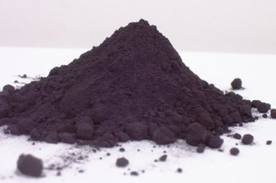
Silver Oxide
Minimum Order Quantity : 25 Kilograms
Molecular Weight : 231.735 g/mol Milligram (mg)
Solubility : In Water, Alkali
Molecular Formula : Ag2O
Melting Point : 280 C
Density : 7.14 Gram per cubic centimeter(g/cm3)

 Send Inquiry
Our Products
- Speciality Organic Compounds
- Agricultural Compounds
- Nicotine Compounds
- Speciality Inorganic Compounds
- Barium Compounds
- Bromine Compounds
- Cobalt Compounds
- Copper Compounds
- Iodine Compounds
- Lead Compound
- Manganese Compounds
- Mercury Compounds
- Molybdenum Compounds
- Nickel Compounds
- Palladium Compounds
- Phosphate Compounds
- Platinum Compounds
- Selenite Compounds
- Silver Compounds
- Tungstan Compounds
- Vanadium Compounds
- Zinc Compounds
- Pharma Item
- Feed Item
- Lithium Compound
- Guanidine


C-13/14, Satyam Complex, M.G. Road, Ghatkopar (E), Mumbai - 400077, Maharashtra, India

Mr. S. Kumar
(Marketing Director)
Mobile :08045816942
 Send Inquiry
 Send SMS
Developed and Managed by Infocom Network Private Limited.
