
Call us now :08045816942
 Send Inquiry
 Send Inquiry
Sodium Tungstate - ACS
MOQ : 25 Kilograms
Sodium Tungstate - ACS Specification
- Poisonous
- Yes (toxic if ingested in quantity)
- Density
- 4.18 Gram per cubic centimeter(g/cm3)
- Purity
- >99%
- Appearance
- White Crystalline Powder
- Taste
- Odorless
- Solubility
- Soluble in water
- Physical Form
- Solid
- Smell
- Odorless
- Storage
- Store in cool, dry place; keep container tightly closed
- Product Type
- Inorganic Salt
- Ingredients
- Sodium Tungstate Dihydrate
- Shape
- Crystalline
- Ph Level
- 8.0 10.0 (5% solution)
- Grade
- ACS
- Molecular Weight
- 329.85 g/mol
- Shelf Life
- Minimum 36 months under recommended conditions
- HS Code
- 28418010
- Melting Point
- 698 C (decomposes)
Sodium Tungstate - ACS Trade Information
- Minimum Order Quantity
- 25 Kilograms
- Payment Terms
- Cheque, Letter of Credit (L/C), Telegraphic Transfer (T/T), Letter of Credit at Sight (Sight L/C)
- Supply Ability
- 100 Kilograms Kg Per Day
- Delivery Time
- 2 Days
- Sample Available
- Yes
- Sample Policy
- Free samples are available
- Main Export Market(s)
- Australia, Central America, North America, South America, Eastern Europe, Western Europe, Middle East, Africa, Asia
- Main Domestic Market
- All India
About Sodium Tungstate - ACS
We are noted amongst remarkable enterprises in this domain, affianced in offering high grade Sodium Tungstate - ACS. By utilizing quality assured chemical compounds, the provided chemical is processed under the stringent surveillance of adroit professionals. This chemical is widely used for fire & water proofing fabrics and preparing complex compounds such as phospho tungstate, silicotungstate etc. Additionally, our valued patrons can easily purchase this Sodium Tungstate - ACS at marginal prices.
Key points:
- Air sealed packaging options
- Used as reagent for alkaloids
- Longer shelf life
- Unadulterated
| ||||||||||||||||||||||||||||||||||||||||
High-Purity Sodium Tungstate
Our Sodium Tungstate ACS offers exceptional purity greater than 99%, making it suitable for use in laboratories and industries where precision and quality are crucial. Its white, odorless, crystalline form ensures ease of handling and accurate measurement for sensitive applications.
Versatile Applications Across Industries
Sodium Tungstate ACS is versatile, finding use as a catalyst in chemical synthesis, in metal finishing, as an analytical reagent, and in the manufacture of advanced functional materials. Its robust performance and solubility in water enable smooth incorporation into various processes.
Safe Storage and Handling Recommendations
Store Sodium Tungstate ACS in a tightly closed container, in a cool, dry place to ensure longevity and safety. As it is toxic if ingested in large amounts, proper personal protective equipment is recommended when handling and using the compound to avoid accidental exposure.
FAQs of Sodium Tungstate - ACS:
Q: How should Sodium Tungstate ACS be stored to maximize its shelf life?
A: Sodium Tungstate ACS should be kept in a tightly closed container in a cool, dry environment. Under these conditions, it maintains a shelf life of at least 36 months.Q: What are the primary uses of Sodium Tungstate ACS?
A: This compound is commonly used as a catalyst in chemical syntheses, as an analytical reagent in laboratories, and in the production of specialty tungstate materials.Q: When is it important to use ACS grade Sodium Tungstate over other grades?
A: The ACS grade should be chosen when high purity is essential, such as in analytical work, chemical research, or processes where impurities could affect results or product quality.Q: Where does Sodium Tungstate ACS find its main markets or industries?
A: It is primarily exported, imported, and manufactured in India for global laboratory, industrial, and manufacturing sectors such as chemicals, pharmaceuticals, and metallurgy.Q: What is the recommended way to handle Sodium Tungstate ACS considering its toxicity?
A: Always use appropriate personal protective equipment, such as gloves, goggles, and lab coats. Avoid ingestion and inhalation, and manage spills promptly to minimize exposure risks.Q: How does the physical form and solubility of Sodium Tungstate ACS benefit its application?
A: Its fine crystalline powder and excellent solubility in water facilitate precise dosing and rapid dissolution, making it efficient for both laboratory analysis and industrial processes.Q: What steps are involved in integrating Sodium Tungstate ACS into chemical processes?
A: Typically, it is weighed accurately, dissolved in water due to its high solubility, and then mixed with other components according to the specific process requirements.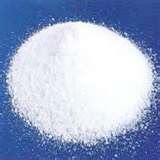
Tell us about your requirement

Price:
Quantity
Select Unit
- 50
- 100
- 200
- 250
- 500
- 1000+
Additional detail
Mobile number
Email

More Products in Tungstan Compounds Category
Tungstic Acid
Minimum Order Quantity : 25 Kilograms
Molecular Weight : 249.85 g/mol
Purity : 99% Min
Storage : Other, Store in a cool, dry place; keep tightly sealed
Molecular Formula : H2WO4
Physical Form : Powder

Phospho Tungstic Acid
Minimum Order Quantity : 25 Kilograms
Molecular Weight : 2,880.2 Milligram (mg)
Purity : 99%
Storage : Room Temperature
Molecular Formula : H3PW12O40
Physical Form : Powder
Ammonium Paratungstate
Minimum Order Quantity : 25
Molecular Weight : 3,132.2 Milligram (mg)
Purity : 99.99%
Storage : Room Temperature
Molecular Formula : H40N10O41W12
Physical Form : Powder

 Send Inquiry
Our Products
- Speciality Organic Compounds
- Agricultural Compounds
- Nicotine Compounds
- Speciality Inorganic Compounds
- Barium Compounds
- Bromine Compounds
- Cobalt Compounds
- Copper Compounds
- Iodine Compounds
- Lead Compound
- Manganese Compounds
- Mercury Compounds
- Molybdenum Compounds
- Nickel Compounds
- Palladium Compounds
- Phosphate Compounds
- Platinum Compounds
- Selenite Compounds
- Silver Compounds
- Tungstan Compounds
- Vanadium Compounds
- Zinc Compounds
- Pharma Item
- Feed Item
- Lithium Compound
- Guanidine


C-13/14, Satyam Complex, M.G. Road, Ghatkopar (E), Mumbai - 400077, Maharashtra, India

Mr. S. Kumar
(Marketing Director)
Mobile :08045816942
 Send Inquiry
 Send SMS
Developed and Managed by Infocom Network Private Limited.
