
Call us now :08045816942
 Send Inquiry
 Send Inquiry
Aspartame Sweetener
MOQ : 25 Kilograms
Aspartame Sweetener Specification
- Density
- 1.35 Gram per cubic centimeter(g/cm3)
- Molecular Formula
- C14H18N2O5
- Product Type
- Sweetener
- Smell
- Odorless
- Physical Form
- Powder
- Ingredients
- Aspartame
- Usage
- As a sugar substitute; add according to recipe or sweetness required.
- Shape
- Crystalline
- Application
- Used in soft drinks, gums, candies, baked goods, dairy products, tabletop sweeteners, and pharmaceuticals.
- HS Code
- 29242990
- Molecular Weight
- 294.3 g/mol
- Ph Level
- 4.5 7.0 (1% sol)
- Storage
- Keep sealed, store in cool/ dry place away from direct sun and moisture.
- Structural Formula
- See molecule: Aspartic acid + Phenylalanine methyl ester
- Solubility
- Slightly soluble in water, more soluble in hot water
- Grade
- Food Grade
- Shelf Life
- 24 months
- Purity
- 99% min
Aspartame Sweetener Trade Information
- Minimum Order Quantity
- 25 Kilograms
- Payment Terms
- Letter of Credit (L/C), Letter of Credit at Sight (Sight L/C), Telegraphic Transfer (T/T), Cheque
- Supply Ability
- 100 Kilograms Per Day
- Delivery Time
- 2 Days
- Sample Available
- Yes
- Sample Policy
- Free samples are available
- Main Export Market(s)
- Western Europe, Australia, North America, Eastern Europe, Middle East, Central America, Africa, South America, Asia
- Main Domestic Market
- All India
About Aspartame Sweetener
Leveraging upon our vast industry experience, we are engaged in manufacturing, exporting and supplying an excellent grade of Aspartame Sweetener. Offered sweetener is widely used by diabetic patients as its regular intake doesnt increase the sugar level of a person. The sweetener provided by is processed under suitable environment by our ingenious professionals. This sweetener is stringently checked on various quality parameters at our well- equipped laboratories. Moreover, we are offering this Aspartame Sweetener at market leading prices.
Features:
-
Long shelf life
-
Highly effective
-
No side effects
-
Free from impurities
| ASPARTAME SWEETENER |
| |
| CAS No | 10025-69-1 |
|
| Formula | Cl4H18N2O5 | |
| Appearance | White crystalline Granular | |
| Loss on Drying | 2.50% | |
| Residue on Ignition (Sulphated Ash) | 0.04% | |
| Diketopiperazine | 0.14% | |
| Transmittance | 99.60% | |
| Lead | <1 mg/kg | |
| Heavy Metals (as Pb) | < 10 mg/kg |
|
| Ph | 4.85 |
|
| Assay (Titrimetric) | 99.54% |
|
| Packing | 25 Kgs. Drums |
|
|
|
| |
| APPLICATION |
| |
| Non-nutritive sweetener |
| |
Superior Sweetening Performance
Aspartame Sweetener delivers robust sweetening power while contributing virtually zero calories to your recipes. Its 99% minimum purity ensures consistent performance in every batch, making it ideal for both home and industrial applications. Enjoy versatile usage in beverages, confections, baked goods, and even pharmaceutical formulations.
Stability and Storage
To maintain its high-quality standard and prolong shelf life, aspartame should be kept sealed and stored in a cool, dry place, away from direct sunlight and moisture. Proper storage helps preserve its crystalline structure and ensures its efficacy over the recommended shelf life of 24 months.
FAQs of Aspartame Sweetener:
Q: How should aspartame sweetener powder be used in recipes?
A: Aspartame can be added directly to recipes as a sugar substitute. Adjust the amount according to your desired level of sweetness, keeping in mind that it is much sweeter than sucrose, so only a small quantity is needed for the same effect.Q: What are the main benefits of using aspartame as a sweetener?
A: Aspartame offers intense sweetening power with minimal calories, making it an excellent alternative for those controlling sugar intake. It allows individuals to enjoy sweet flavors without the caloric impact of regular sugar, making it suitable for low-calorie and sugar-free products.Q: When is aspartame most suitable for application in foods and drinks?
A: Aspartame is best suited for use in products served cold or at room temperature, such as soft drinks, chewing gums, and dairy products. It can also be used in baked goods, but its stability at higher temperatures can vary, so recipes may need to be adjusted accordingly.Q: Where is aspartame commonly utilized?
A: Aspartame is widely used in the food and beverage industry, especially in soft drinks, tabletop sweeteners, gums, candies, baked goods, and dairy products. It is also present in some pharmaceutical products due to its ability to mask unpleasant flavors.Q: What process is involved in ensuring aspartames purity and food-grade quality?
A: Aspartame is produced and purified through precise chemical processes, ensuring it meets food-grade standards with a purity of at least 99%. Rigorous testing and quality control are conducted to comply with food safety regulations.Q: Is aspartame suitable for everyone, and are there any storage recommendations?
A: Aspartame is suitable for most people. However, individuals with phenylketonuria (PKU) should avoid it due to its phenylalanine content. Store aspartame powder in sealed containers in cool, dry conditions, away from sunlight and moisture to maintain its quality and shelf life.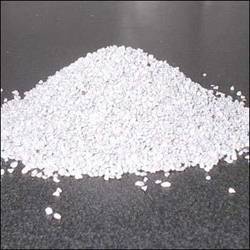
Tell us about your requirement

Price:
Quantity
Select Unit
- 50
- 100
- 200
- 250
- 500
- 1000+
Additional detail
Mobile number
Email

More Products in Pharma Item Category
Ammonium Chloride (BP)
Minimum Order Quantity : 25 Kilograms
CAS No : 12125029
Physical Form : Powder
Purity : 99%
Solubility : In Water
Storage : Room Temperature
Ammonium Chloride (IP)
Minimum Order Quantity : 25 Kilograms
CAS No : 12125029
Physical Form : Powder
Purity : 99%
Solubility : In Ammonia, Water, Alcohol, Methanol, Glycerol, Hydrazine
Potassium Chloride AR
Minimum Order Quantity : 25 Kilograms
CAS No : 7447407
Physical Form : Powder
Solubility : In Water
Storage : Room Temperature

Microcrystalline Cellulose (MCC)
Minimum Order Quantity : 25 Kilograms
CAS No : 9004346
Physical Form : Powder
Purity : 98%
Solubility : In Water
Storage : Room Temperature

 Send Inquiry
Our Products
- Speciality Organic Compounds
- Agricultural Compounds
- Nicotine Compounds
- Speciality Inorganic Compounds
- Barium Compounds
- Bromine Compounds
- Cobalt Compounds
- Copper Compounds
- Iodine Compounds
- Lead Compound
- Manganese Compounds
- Mercury Compounds
- Molybdenum Compounds
- Nickel Compounds
- Palladium Compounds
- Phosphate Compounds
- Platinum Compounds
- Selenite Compounds
- Silver Compounds
- Tungstan Compounds
- Vanadium Compounds
- Zinc Compounds
- Pharma Item
- Feed Item
- Lithium Compound
- Guanidine


C-13/14, Satyam Complex, M.G. Road, Ghatkopar (E), Mumbai - 400077, Maharashtra, India

Mr. S. Kumar
(Marketing Director)
Mobile :08045816942
 Send Inquiry
 Send SMS
 Call Me Free
Developed and Managed by Infocom Network Private Limited.
